THI Solar
Solar battery storage
What a home battery does, whether to fit one with new panels or add it to an existing system, and how to tell whether it suits the way you use electricity.
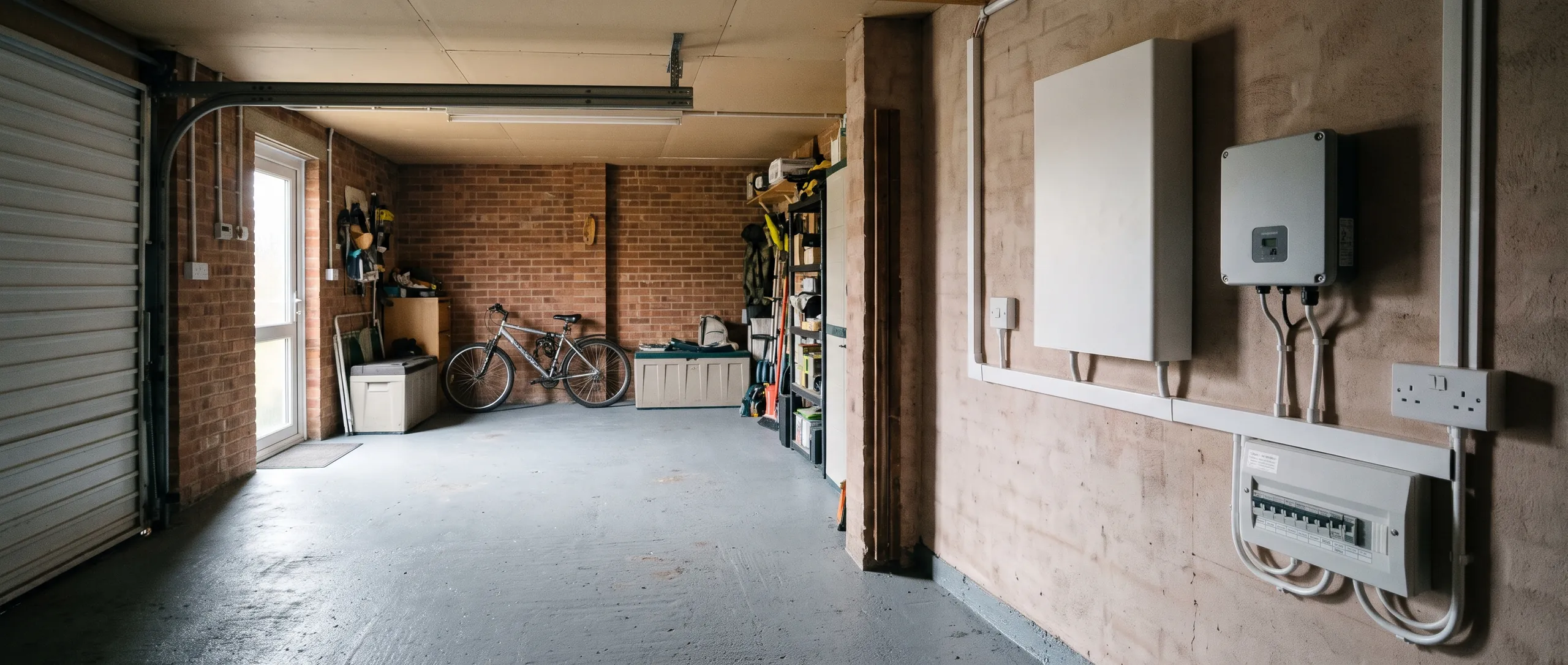
The basics
What a battery does
Solar panels generate most in the middle of the day, which is often when a home uses least. Without a battery, the surplus goes to the grid. With one, some of it is kept for later, typically the evening.
That’s the whole idea. It doesn’t make electricity, and it doesn’t make your home independent of the grid. Whether it’s worth the money depends on when you use power and on your tariff.
Which route
Panels, a battery or both?
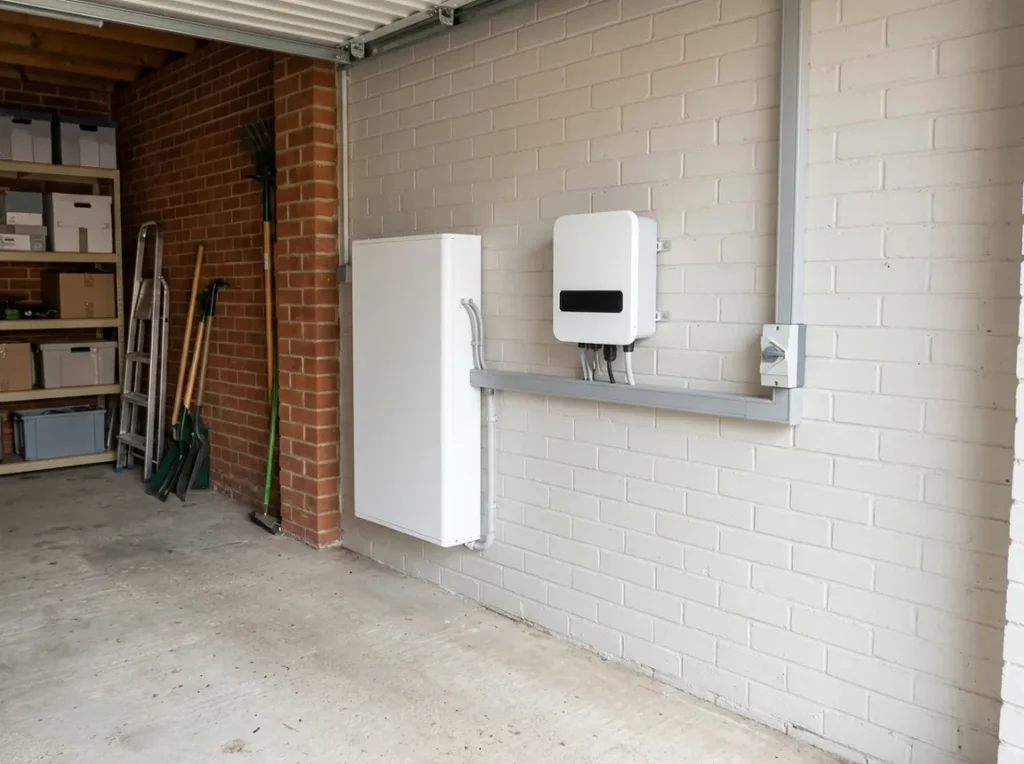
New panels and a battery together
One design, one installation and one scaffold. We’d estimate your use with and without storage, so you can compare before deciding.
Panels now, battery later
Often sensible if you’re unsure. Tell us at the design stage, because the choice of inverter affects how easily a battery can be added.
A battery added to existing panels
Possible on many systems, though the existing inverter, the age of the system and its paperwork all matter. Please tell us what you have. “Not sure” is fine.
Is one likely to suit you?
What points towards a battery, and what doesn’t
Worth a closer look if
- You’re out in the day and use more in the evening
- You export a lot of what you generate
- Your tariff has cheaper and dearer times of day
- You want more control over when you use your own generation
Maybe not yet if
- You’re home in the day and use most of your generation already
- Your system is small, with little left over
- The roof or the existing system needs work first
- You’re buying it mainly for power cuts: ask first, because not every battery keeps a home running when the grid is down
These are general points, not an assessment of your home. We’d look at your own electricity use before suggesting anything.
The survey
What we’d check for a battery
Where it goes
A suitable location, with the clearances and access the manufacturer requires.
How it connects
Whether it can share an inverter or needs its own, and what your consumer unit needs.
Your network operator
A battery can change what needs telling or applying for. We never promise a connection date.
Your usage
A year of electricity data, if you have it. MCS requires self-consumption to be estimated with and without storage.
VAT on batteries
Qualifying installations in homes are zero-rated until 31 March 2027, and 5% from 1 April 2027. A battery qualifies if it’s used only to store energy from the home’s supply or a microgeneration system.
See VAT Notice 708/6. Checked 3 November 2026.
FAQs
Battery questions
Is a battery worth it?
It depends on when you use power and on your tariff. We estimate your use with and without storage so you can compare, and we don’t quote a saving without the assumptions beside it.
Can I add a battery to my existing panels?
Often, yes. It depends on your inverter, the age of your system and its paperwork. Tell us what you know and we’ll check.
Will it keep my lights on in a power cut?
Not necessarily. Many systems shut down when the grid goes down unless they’re designed to do otherwise, so ask before you buy. We’d tell you which applies to the system proposed.
What warranty comes with it?
A battery has its manufacturer’s warranty, and the installation is covered separately by workmanship cover. Each should be shown with its length, provider and conditions.
Do you offer commercial batteries?
This site covers homes only.
Request Your Solar Assessment
Tell us whether you’re asking about panels, a battery or both. Start with your name, postcode and how you’d like us to get in touch. “Not sure” is always fine.
We reply as soon as we can.